
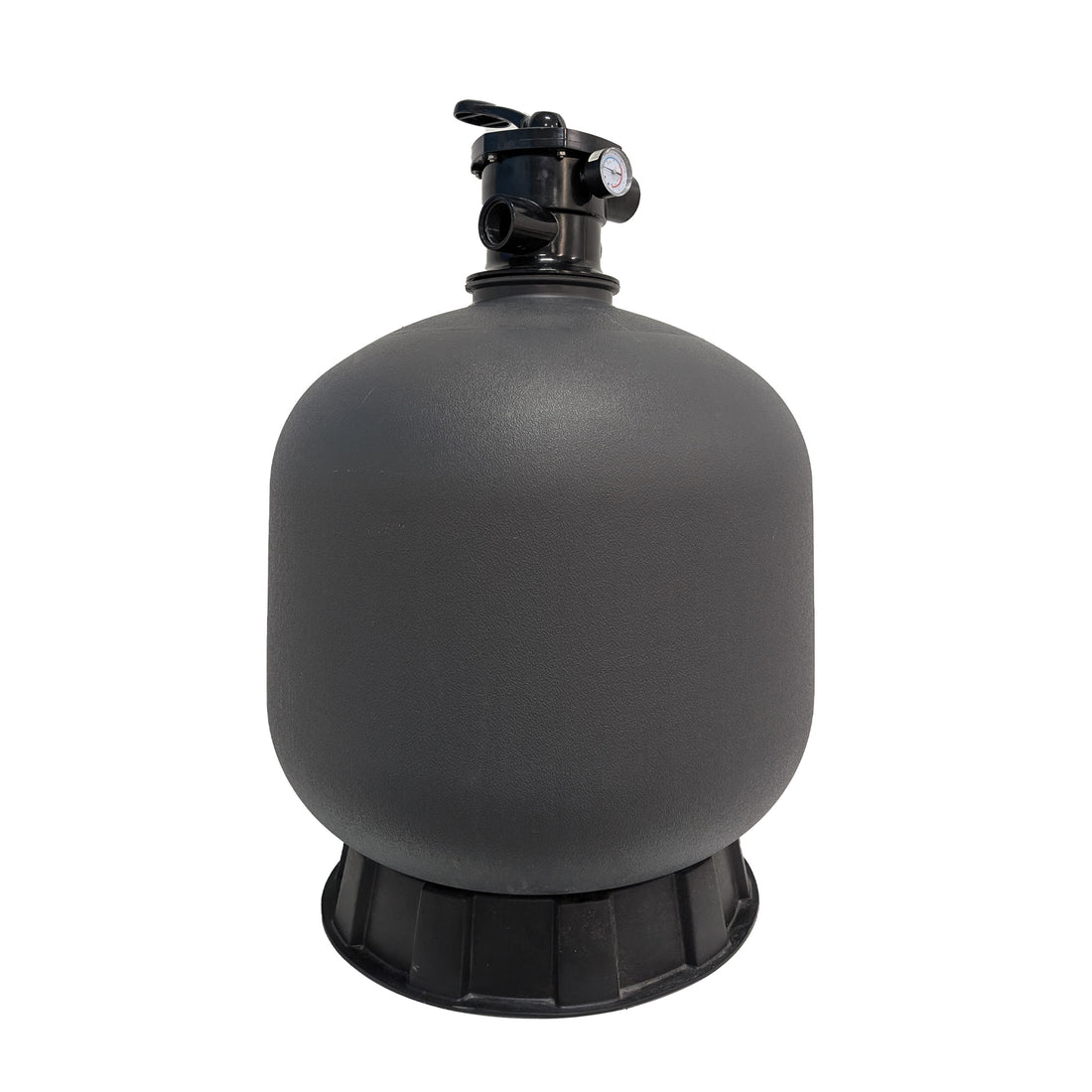

Sand filters for above-ground pools

Enjoy consistently clear water with our sand filters for above-ground pools. Designed to be practical and durable, they represent an affordable and effective maintenance solution. Their simple operation makes them a perfect choice for families who want a clean pool without unnecessary effort.

Filter

Product Title

Regular price
$19.99
Sale price
$19.99
Regular price

Product Title

Regular price
$19.99
Sale price
$19.99
Regular price

Product Title

Regular price
$19.99
Sale price
$19.99
Regular price

Product Title

Regular price
$19.99
Sale price
$19.99
Regular price

Product Title

Regular price
$19.99
Sale price
$19.99
Regular price

Product Title

Regular price
$19.99
Sale price
$19.99
Regular price

Product Title

Regular price
$19.99
Sale price
$19.99
Regular price

Product Title

Regular price
$19.99
Sale price
$19.99
Regular price

Product Title

Regular price
$19.99
Sale price
$19.99
Regular price

Product Title

Regular price
$19.99
Sale price
$19.99
Regular price

Product Title

Regular price
$19.99
Sale price
$19.99
Regular price

Product Title

Regular price
$19.99
Sale price
$19.99
Regular price

Product Title

Regular price
$19.99
Sale price
$19.99
Regular price

Product Title

Regular price
$19.99
Sale price
$19.99
Regular price

Product Title

Regular price
$19.99
Sale price
$19.99
Regular price

Product Title

Regular price
$19.99
Sale price
$19.99
Regular price

Product Title

Regular price
$19.99
Sale price
$19.99
Regular price

Product Title

Regular price
$19.99
Sale price
$19.99
Regular price

Product Title

Regular price
$19.99
Sale price
$19.99
Regular price

Product Title

Regular price
$19.99
Sale price
$19.99
Regular price

Product Title

Regular price
$19.99
Sale price
$19.99
Regular price

Product Title

Regular price
$19.99
Sale price
$19.99
Regular price

Product Title

Regular price
$19.99
Sale price
$19.99
Regular price

Product Title

Regular price
$19.99
Sale price
$19.99
Regular price

FAQ

Consult our comprehensive guide to select the model best suited to your pool's capacity, required flow rate, and desired filtration fineness.

Consult the complete guide
  • Filtration: normal use.
  • Backwash: media cleaning (pump)ON), discharges into the sewer.
  • Rinse: puts the sand bed back in place after backwashing (pump)ON → sewer).
  • Waste / Sewer: filter bypass (suction → discharge), useful for lowering the water level or sucking up large debris.
  • Recirculation:complete filter bypass(suction → return to the pool without going through the media). Practical formix productsor diagnose a filter problemwithout cloggingthe media.
  • Closed:All exits closed.Never operate the pumpin this position (risk of overpressure). Only used to briefly isolate equipment when stopped.
  • Winter / Winterize: position of decompression/storage for the off-season. Pump OFF, on drain the tank through the stopper, we remove the pressure gauge we leave the handle on Winterize(or between two notches depending on the model) for do not crush the joints.


Filter sand should be changed every 3 to 5 years, depending on pool usage, water quality, and filter maintenance. If the pressure increases rapidly, the water remains cloudy despite proper treatment, or the sand becomes compacted or greasy, it's time to replace it. Filter glass, on the other hand, typically lasts 5 to 8 years.

  • Trigger: when the pressure rises by approximately + 20–25% vs. “clean” pressure.
  • Routine: Backwash 2–3 min until the water runs clear in the sight glass, then rinse for 20–30 seconds before returning to Filtration.
  • Trick: avoid the weekly “automatic” backwash; base it on themanometer.

Both systems filter well, but they do not offer the same compromise.

  • THEsand (or glass) filteris the most popular: it's robust, easy to use, and inexpensive to maintain. It filters slightly less finely than a cartridge filter, but is still more than sufficient for a residential pool. Cleaning is done by backwashing, so it's very simple, and the sand/glass only needs changing every 3 to 7 years. It's generally thebest overall compromise: good ratio of clarity / simplicity / annual cost.
  • THEcartridge filteroffers aimproved filtration fineness(water often more crystalline) and createsless pressure loss(better flow rate, less pump strain). On the other hand, it requires more manual work: frequent rinsing, occasional soaking in a cleaner, and replacement of the cartridges every 1 to 3 years, which slightly increases maintenance costs.

For the majority of pool owners who want somethingsimple, reliable and economical, THEsand filter (or sand/glass filter)remains the best compromise. For those looking for aultra-clear waterand accept a little more maintenance and cost, thecartridge filteris an excellent choice.


The amount of sand or glass depends on the size of the filter. Generally, a small residential filter requires between 75 and 100 lbs (1 to 2 bags), while a medium filter uses 100 to 200 lbs(3 to 5bags), and a large filter may require 200 to 300 lbs (5 to 7 bags). The exact amount is always indicated on the filter label or in the manufacturer's manual. Filter glass replaces sand in equal quantities but offers finer filtration and lasts longer.

To change the sand, start by turning off the pump and depressurizing the system. Open the filter by removing the cover, then empty the old sand using a shop-vac or a shovel. Protect the central tube with a plug or tape to prevent sand from entering. Next, half-fill the filter with water to cushion the fall of the new media, then add the sand or filter glass according to the recommended quantity. Replace the cover, backwash for 2–3 minutes, then rinse before returning to filtration mode.


To connect a filter, first connect the pump outlet (port “PUMP”) to the filter inlet. Then, connect the filter outlet (port “RETURN”) to the pool's return jets. If you are using a sand filter, ensure the multiport valve is correctly positioned in the “FILTER” position. Check all connections, tighten the clamps, and prime the pump if necessary. Proper installation ensures good circulation and optimal filtration.

The filter draws water from the pool via the pump and then sends it through the filter media (sand, glass, cartridge). Particles are trapped, and clean water returns to the pool. Over time, the filter accumulates dirt, which increases internal pressure. Backwashing or regular cleaning removes impurities and restores effective filtration.

Used sand or filter glass can be disposed of with non-hazardous waste, as it is generally not considered toxic. It can also be reused for landscaping projects, such as stabilizing paving stones or filling depressions, provided it has not been heavily contaminated. Filter glass, however, should be taken to a municipal recycling center or waste disposal facility for proper recycling. In all cases, never dispose of these materials down sewers, storm drains, or waterways.